Moving and Handling on Holiday: Making Travel Possible
Moving and Handling on Holiday: Making Travel Possible
Going on holiday should be something to look forward to, for many people, particularly those who use a wheelchair for mobility or require assistance with moving and handling, a holiday can mean so much more than a break away. It can be about family time, quality of life, confidence, inclusion and doing something that feels normal again.
But holidays can also bring challenges, airports, aircraft, cruise ships, hotels, hire equipment, pool areas and unfamiliar bathrooms can all create moving and handling situations that are very different from the person’s usual routine at home.
That does not mean holidays are not possible. It just means they need proper planning.
It Is Not Everyday Moving and Handling
At home, moving and handling plans usually focus on regular tasks: bed transfers, wheelchair transfers, toileting, showering, repositioning and getting in and out of vehicles.
On holiday, the tasks may look very different.
- How will the person get onto the plane?
- Can they sit safely in the aircraft seat?
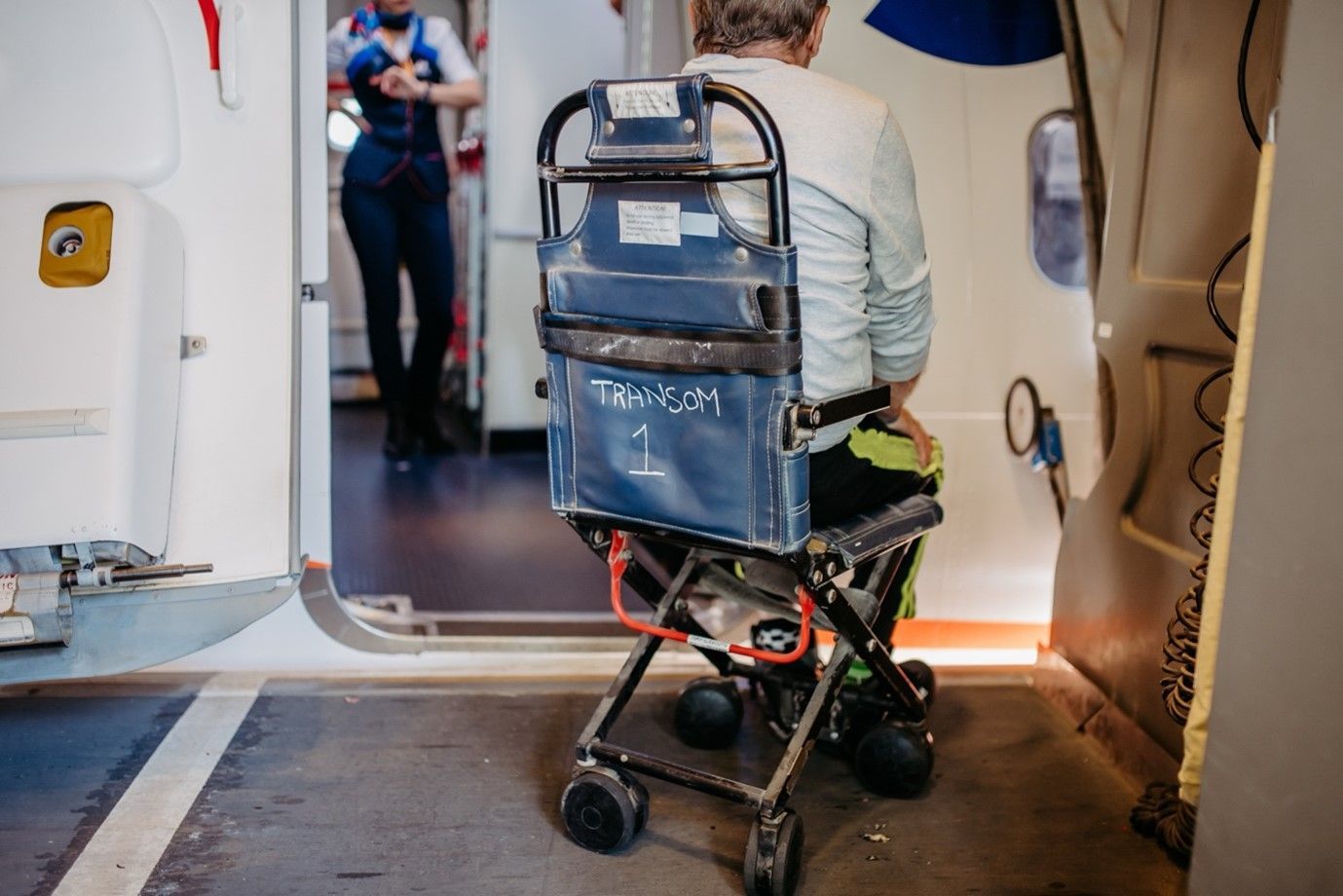
- What happens when their wheelchair is taken away at the aircraft door?
- Can they access the cruise cabin or hotel bathroom?
- Is the hired shower chair actually suitable?
- Can they transfer onto a sunbed, into the pool, or even on and off a lilo?
Let’s be honest — getting on and off a lilo is not something most people would recommend as part of an everyday moving and handling plan but on holiday, the focus can be different. It might be about fun. It might be about joining in. It might be about quality of life. And if the person is not going to enjoy themselves, what is the point of going?
That does not mean ignoring risk. It means thinking about the risk properly and asking whether something can be done safely enough, with the right people, planning and equipment in place.
Flying and Airport Assistance
Flying often needs careful thought, every airline and airport can work differently. The assistance available, equipment used, boarding process and rules around postural supports vary. Something that worked well on one flight may not automatically be available or accepted next time.
For people who use a wheelchair, it is important to check how they will board the aircraft, whether they can remain in their own wheelchair up to the aircraft door, how they will transfer into the aircraft seat, and when their wheelchair will be returned after landing.
It is also worth checking what supports can be used on the plane. An aircraft seat is not the same as a specialist wheelchair, and some people rely on their own seating for posture, pressure relief, head position, comfort or sitting balance. They may need a specialist cushion, lateral support, head support, harness, chest support or other positioning aid to sit safely and comfortably. Each airline has different rules about what they will accept, so this should be confirmed before travel, ideally in writing.
There are also services that may help people prepare for flying, such as Tryb4uFly, which provides assessments, information and equipment hire for disabled air travellers. These services can be really helpful, especially if it is someone’s first time abroad, or their first time flying following an injury or change in presentation.
It is also important to think about time. Nobody wants to plan for delays, but they do need to be considered. If someone has to sit in an unfamiliar position for longer than expected, this can increase pain, fatigue, pressure risks or distress.
Equipment and Accommodation
Hiring equipment abroad can be really helpful, but it needs checking carefully.
- A “shower chair” may not be like the one used at home
- A “hospital bed” may not have the right settings
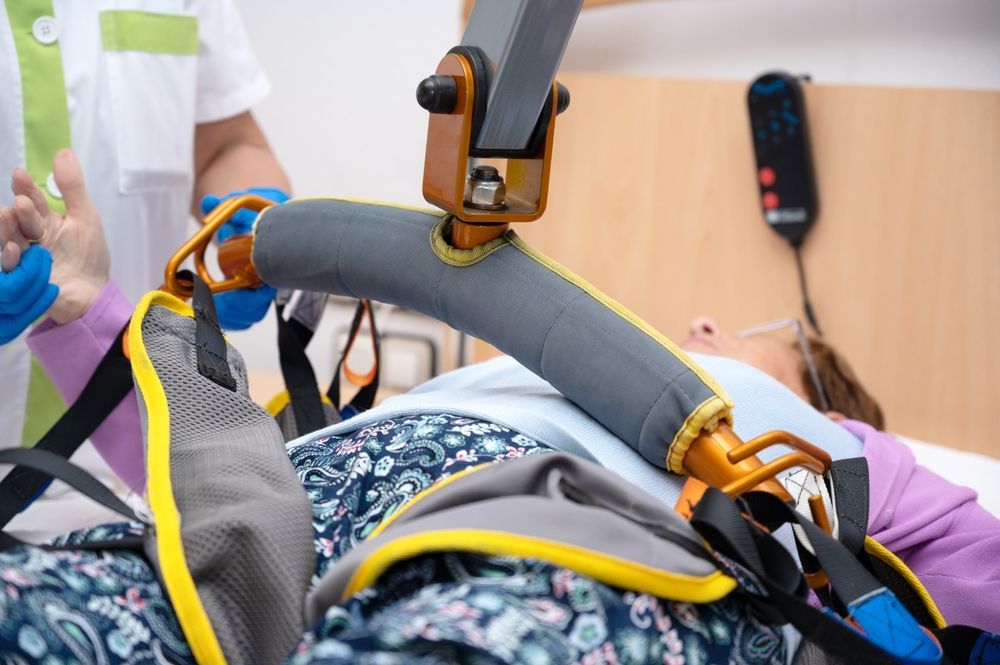
- A “hoist” may not be compatible with the person’s sling
- An “accessible room” may still not have enough space for carers to assist safely
Before travelling, it can help to look at what equipment and environmental features are needed at home, then check whether the same, or similar, can be arranged while away. This might include bed height, space around the bed, shower access, toilet equipment, hoist compatibility, sling type, wheelchair turning space, pressure care equipment and whether carers have enough room to assist safely.
It is always worth asking for photographs, measurements and details before travelling, the same applies to hotels and cruises. Accessible does not always mean suitable. A room may work well for someone who can stand transfer, but not for someone who needs hoisting or support from two carers.
Does the Care Team Need Holiday Training?
A care team may be confident with everyday moving and handling at home, but holidays can involve tasks they have never had to support before.
Airport transfers, aircraft seating, poolside support, beach access, cruise cabins, hired equipment and unfamiliar bathrooms can all bring new challenges.
This does not mean the team are not competent. It means the environment is different. Sometimes, holiday-specific moving and handling guidance or training can help everyone feel more confident before travelling. It can also reduce the likelihood of rushed decisions being made when people are tired, under pressure or in an unfamiliar place.
This might include talking through how the person will be supported on and off the aircraft, how hired equipment will be used, or how more unusual holiday activities could be approached. For example, if someone wants to access the pool, transfer onto a sunbed or be supported onto a lilo it may be helpful to think about this before the holiday rather than trying to work it out for the first time while away.
Final Thoughts
Holidays are not just be about managing care somewhere else. They are about enjoyment, memories, inclusion and quality of life.
For people with moving and handling needs, good planning can make a huge difference. It can help families feel more confident, care teams feel prepared, and people access experiences that matter to them.
Moving and handling should not just help people get through the day -It should help people access life.
If you want to discuss an upcoming holiday — get in touch.
If you feel colleagues would benefit from reading this blog please share with them by clicking any of the sharing options below. It would be very much appreciated. Thank you.
We’d love to speak to you about certified healthcare training solutions for you or your team. Get in touch to discuss how we can help you.
Stay in the know with SupportiveAction Spotlight
Get expert insights, practical tips and early access to upcoming training and development courses straight to your inbox. Subscribe to our mailing list today!